Modern Performance Art:
Flash-mobs and Financial Warfare:
Flamenco in the 21st century through the living folklore framework has evolved into a site of radical political experimentation, institutional critique, and anti-austerity protest. Freed from the box of the confined commercial and tourist settings that the Franco regime placed it within, contemporary activist artists have moved the art form to the spaces of modern capitalism. Through flashmob-style performances inside banking institutions, the modern practitioners use their bodies in the flamenco style to directly call out systemic economic corruption and state-sanctioned financial malfeasance.
Yet again we see how the folklore of flamenco utilizing the living folklore framework is not a frozen in time museum piece but rather a breathing apparatus of socio-political warfare that has the ability to turn spaces of oppression into public arenas of public dissent.
Corporate Spaces:
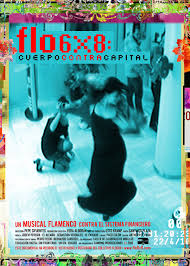
In modern day capitalism there is a reliance on highly sanitized spaces that enforce compliance from consumers. Contemporary performance collectives like Flo6x8 utilize these spaces to shatter the artificial peace of these spaces by turning them into the stage for their performance.
"Based in Seville, the performance collective Flo6x8 protests financial and political malfeasance in Spain by converting corporate banks into flamenco performance and recording spaces, temporarily converting spaces of the opposition into oppositional spaces" (Brown 2019).
Through spontaneous, unannounced performances within financial hubs, modern performers like Flo6x8 exploit the brief, fleeting windows of a flashmob to in a way hijack private properties. Here we the sterile corporate lobbies turn into hotbeds of public outcry before state authorities can intervene. This strips the banking industry of their authority and forces citizens to face the reality of the flaws within the capitalist system.
Flamenco Symbols:
Contemporary activist groups deliberately utilize and weaponize the deep rooted cultural symbols of flamenco to fight back against the ruling elite.
"The lyrics are marked by satire and absurdity, as well as a serious critique of the injustices of the economic system... pitting the suffering of the masses enduring the economic disaster against the powerful, deceitful, and evil banker" (Brown 2019).
The public anger is channeled through their performances and rather than singing of the romanticized Andalusian folklore, vocalists instead utilize letras (lyrics) to call out corporate greed, eviction crises, and the all to often corrupt government bailouts. The combination of the rapid-fire zapateado on the marble bank floors allows for the same acoustic domination that was utilized in the past by female bailaoras to seize the audiences attention and in this case to disrupt "business as usual". The choreography of the performances also sets up the idea of the 99% vs. the 1% in regards to the poor vs. the rich.
Sources Here:
Create Your Own Website With Webador